🇮🇹
Italy · Coordinator
SOS Europa APS
Italian civil society organisation promoting European values, active citizenship, inclusion, equality and international cooperation.


Connecting women, cultures and communities across Europe and Africa through intercultural dialogue, intangible cultural heritage and international cooperation.

African and European Women in Action – AEWiA is a 36-month European cooperation project bringing together civil society organisations from Europe and Sub-Saharan Africa.
The project promotes and strengthens the role of women in intercultural dialogue between Europe and Africa, recognising intangible cultural heritage as a living resource for identity, inclusion, social cohesion and sustainable development.
AEWiA starts from a simple idea: women are not only custodians of traditions and collective memory. They are also innovators, community leaders and agents of social transformation.
By connecting organisations and communities across six countries, AEWiA creates a shared space where European and African perspectives meet, cultural identities are valued and women's voices contribute to shaping more inclusive and resilient societies.
AEWiA connects organisations rooted in different cultural, social and geographical contexts around a common commitment: strengthening women's participation and creating lasting bridges between Africa and Europe.
Six organisations bring together complementary experience, local knowledge and international perspectives to build a genuinely transcontinental cooperation.
Italian civil society organisation promoting European values, active citizenship, inclusion, equality and international cooperation.
International organisation contributing expertise in digitalisation, international cooperation and innovative approaches to knowledge exchange.
Civil society organisation active in participation, social inclusion, youth engagement and international cooperation.
Kenyan organisation working with young people and women through community initiatives, empowerment, volunteering and local development.
Nigerian organisation supporting young people and girls through community engagement, inclusion, participation and opportunities for personal growth.
Ghanaian NGO supporting sustainable community development, social inclusion and initiatives for young people and women.
From East Africa to West Africa and back to Europe, AEWiA's international meetings strengthened the partnership, connected local realities and supported a shared vision for the project.


AEWiA officially began its international journey in Nairobi, where representatives of all six partner organisations met to establish the foundations of the cooperation.
Hosted by VACK, the kick-off strengthened relationships among the project teams and established the project's implementation framework, timeline, monitoring approach, quality processes, communication strategy and visual identity.
The programme also offered partners direct contact with Kenyan cultural heritage and local realities, creating a strong connection between project management and the cultural dimension at the heart of AEWiA.


One year after Nairobi, the partnership met again in Ghana for an important transnational stage of the AEWiA journey.
Partners reviewed the progress achieved, worked together on project results and strengthened the connection between European and African experiences.
The mission also created opportunities for direct dialogue with local communities, women, young people and institutional stakeholders. A significant institutional meeting was held with the District Chief Executive of Afadzato South District Assembly, supported by project partner OSDA.
The visit to Cape Coast Castle added a powerful dimension of historical memory, connecting cultural heritage with dignity, justice, peace and universal human rights.
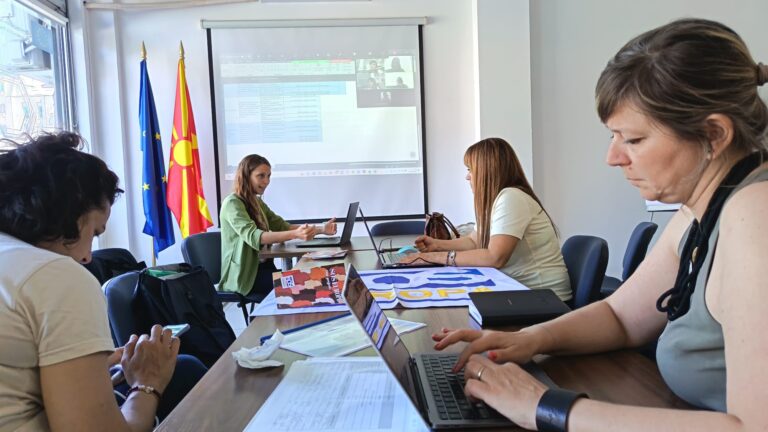
The third international meeting marked another important stage in the implementation of AEWiA.
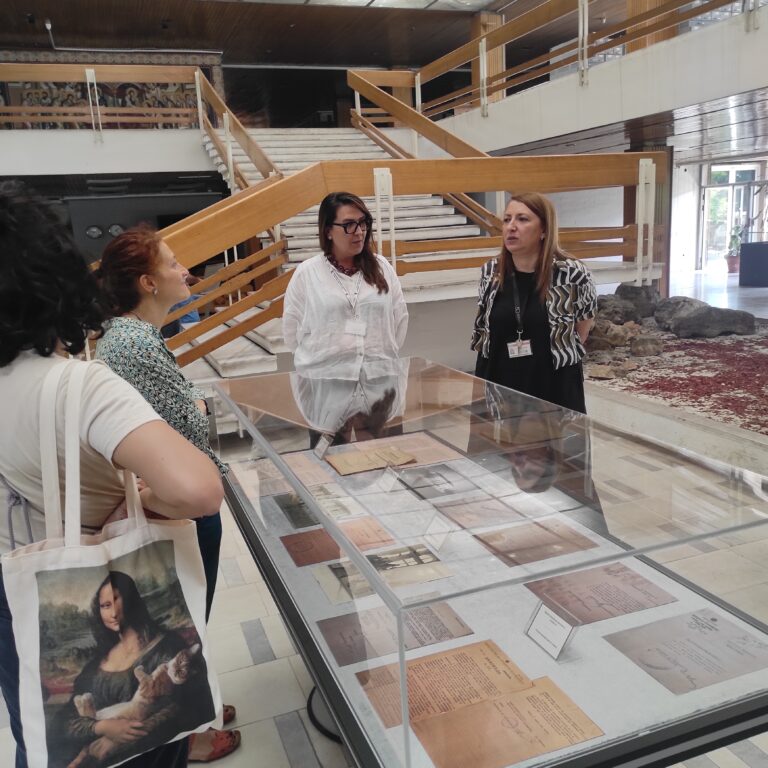
SOS Europa, IELI and PEL participated in person in Skopje, while PYO, VACK and OSDA joined the staff sessions online, ensuring the participation of the entire partnership.
Partners reviewed project results, monitoring data, deliverables and the progress achieved, while coordinating the actions required for the final phase of AEWiA.
The meeting also strengthened cultural cooperation through an exchange with the National and University Library of Skopje and visits to Matka Canyon and the Macedonian Village, connecting the partnership once again with living cultural heritage.
Public events have brought AEWiA into contact with institutions, civil society organisations, local stakeholders, educators, young people and communities, expanding the conversation on women's empowerment and Europe–Africa cooperation.
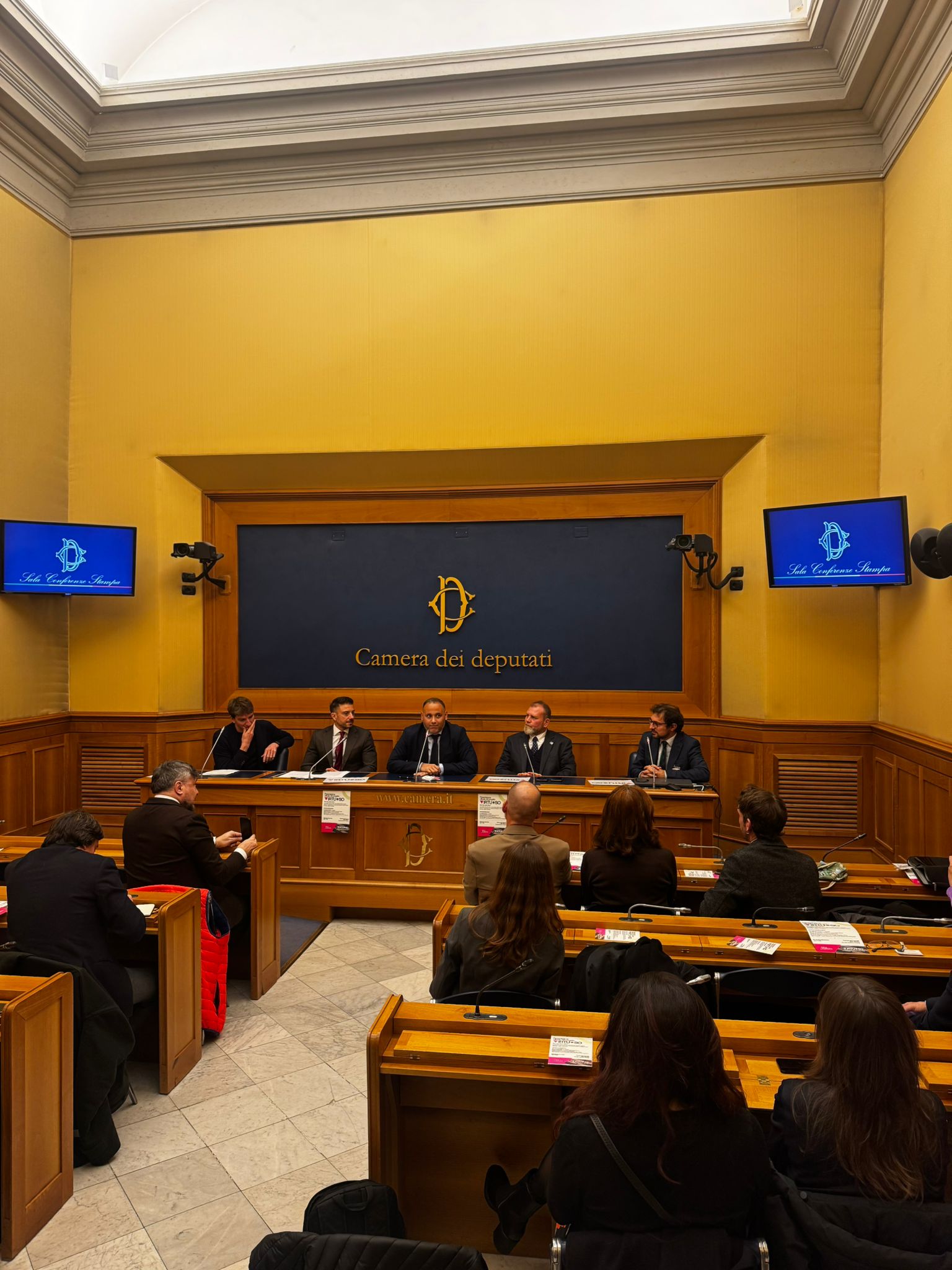
Rome · 9 December 2025
SOS Europa presented the intermediate achievements of AEWiA in the Press Room of the Italian Chamber of Deputies. The event brought together representatives of public institutions, civil society, academia, private organisations and youth-work professionals.
The meeting created an institutional space to discuss European–African cooperation, women's leadership, intercultural dialogue and the value of intangible cultural heritage.
SOS Europa Headquarters · Local stakeholders, volunteers, young women and civil society.
Spazio PIN · Public dialogue on women, intercultural cooperation and project impact.
Italian Parliament · Chamber of Deputies Press Room.
Spazio Kobain · Engagement with local stakeholders and civil society organisations.
Impact Hub Firenze · Social innovators, educators, youth workers and nonprofit organisations.
Municipality of Tolfa · Dialogue with local institutions and civil society representatives.
Municipality V of Rome · International communities, intercultural dialogue and participation.
AEWiA is built around encounters: between people, organisations, communities, cultures and perspectives.
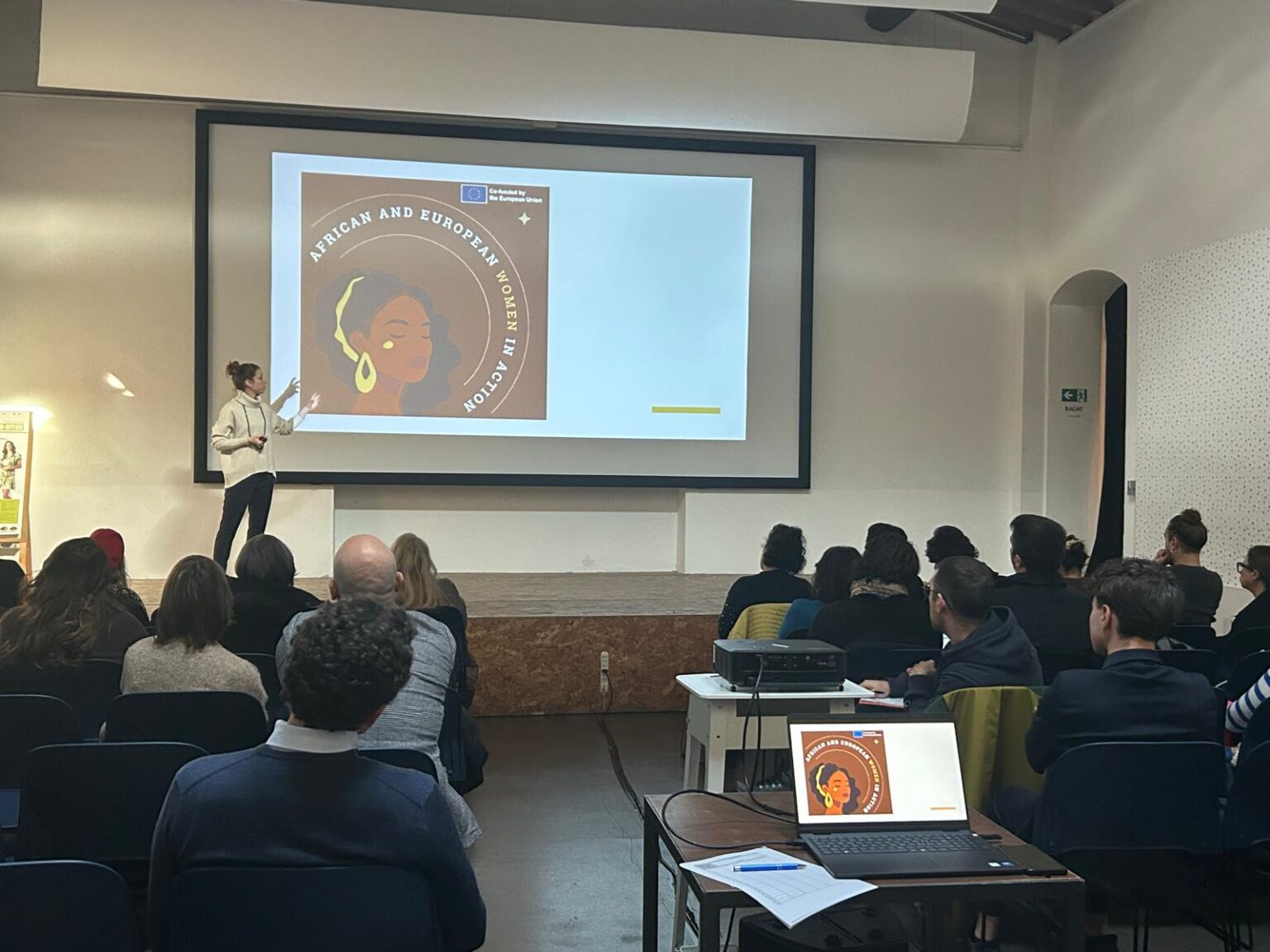
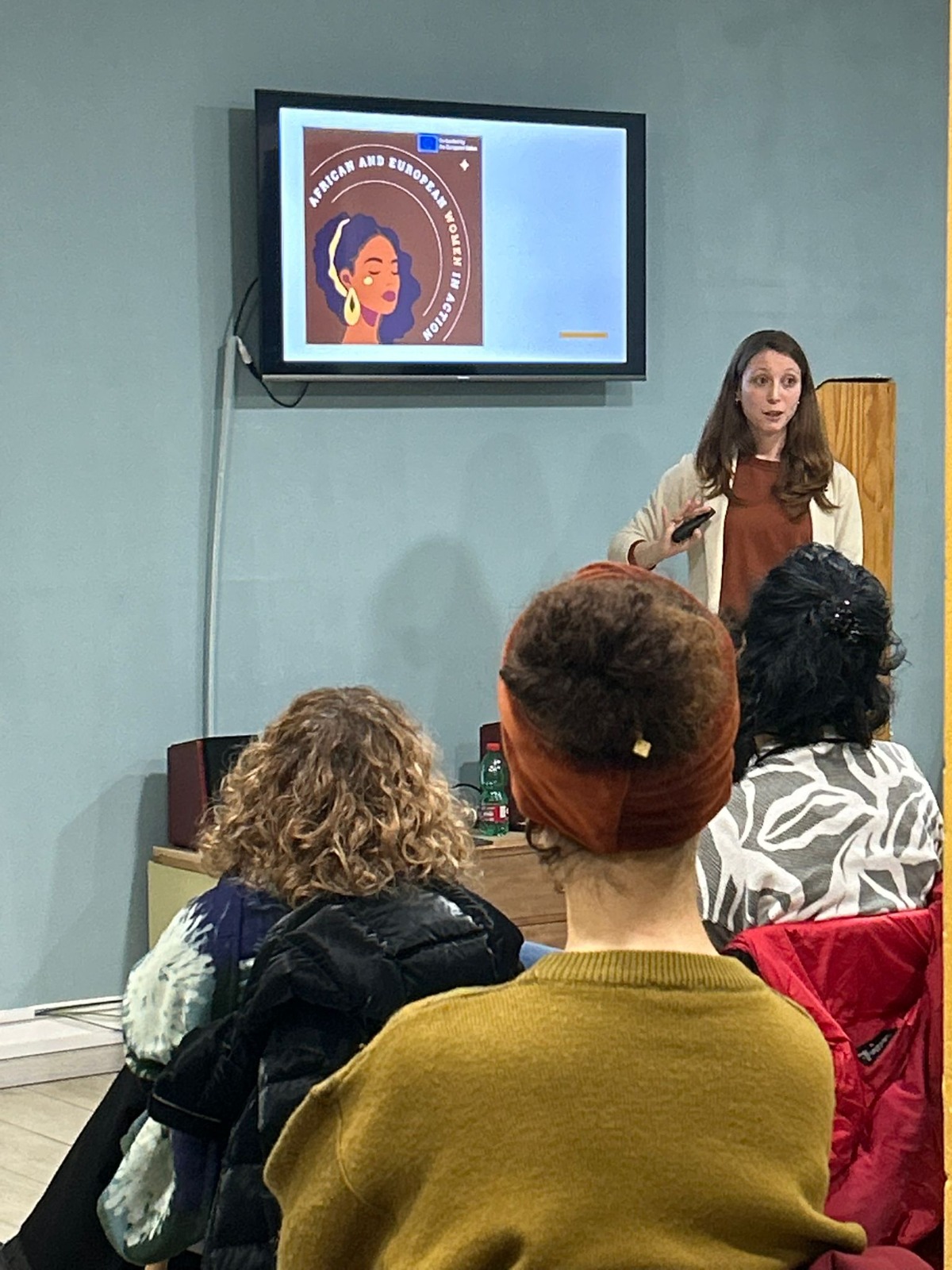
Looking for AEWiA's learning resources, digital content, videos and interactive materials? We created a dedicated space where all educational resources can be explored separately from the institutional project page.

Funded by the European Union. Views and opinions expressed are however those of the author(s) only and do not necessarily reflect those of the European Union or the European Education and Culture Executive Agency (EACEA). Neither the European Union nor EACEA can be held responsible for them.
Three days of dialogue, participation and public engagement in the heart of Rome, bringing the results and values of African & European Women in Action directly to citizens and communities.
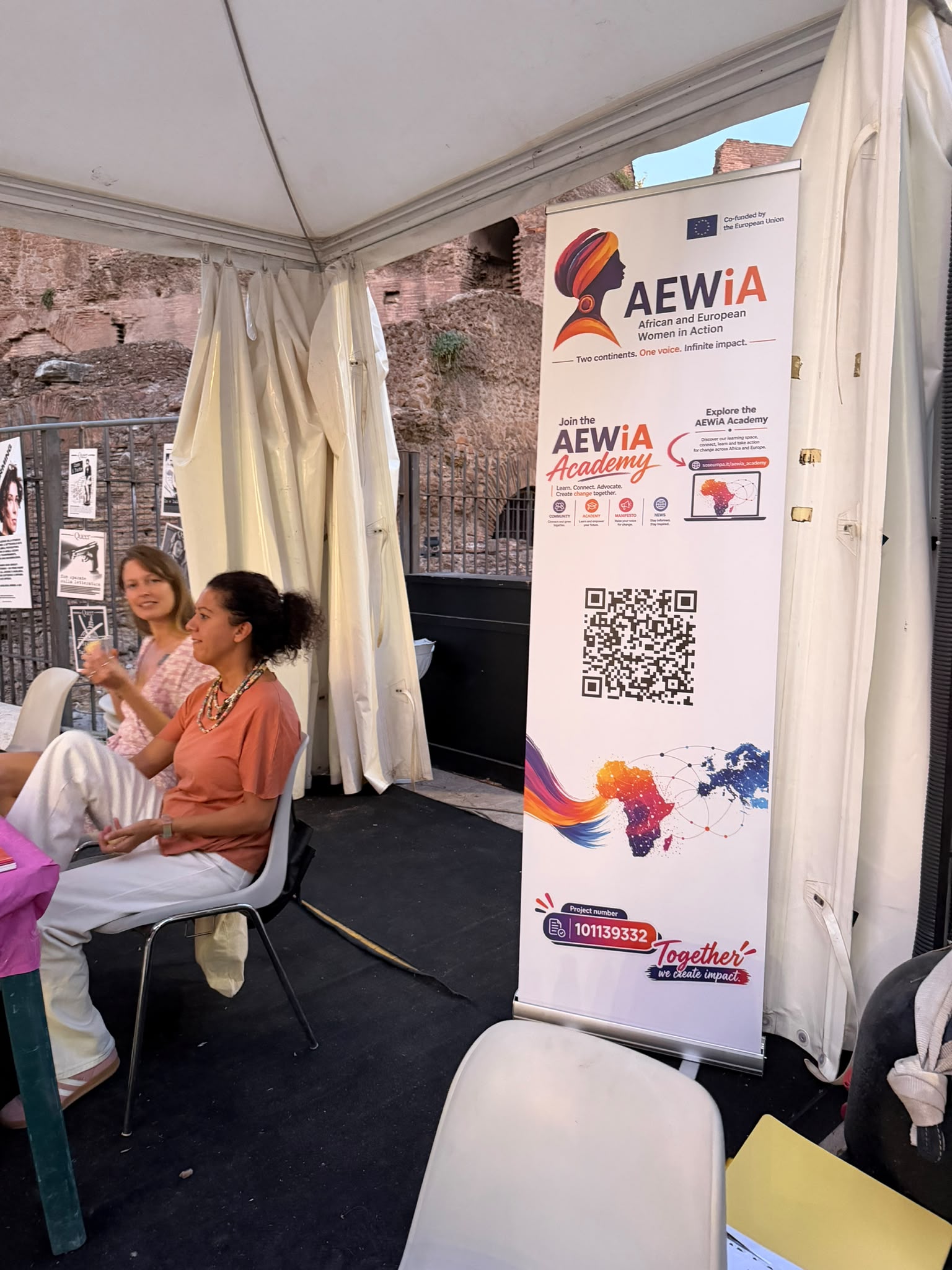
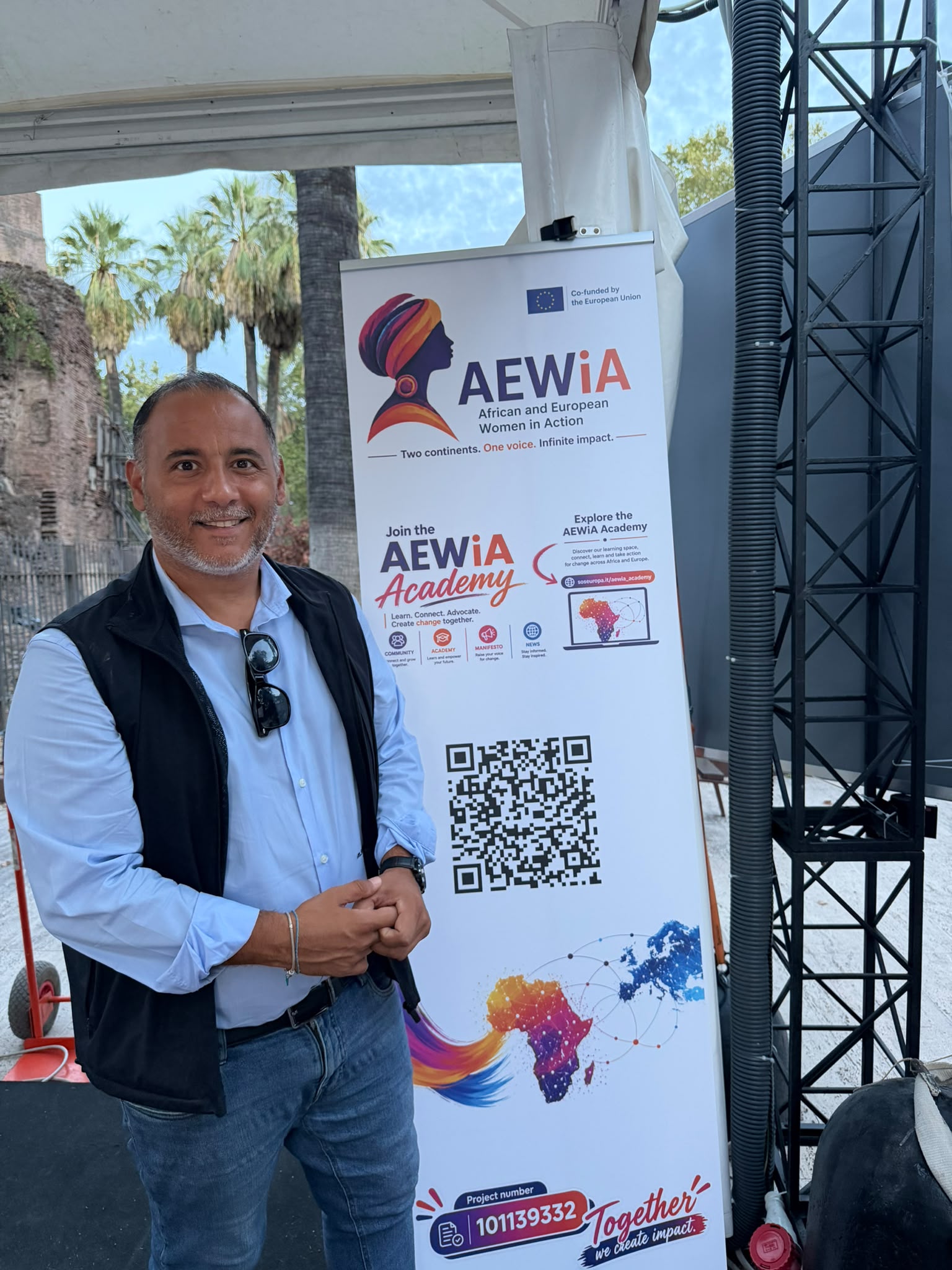
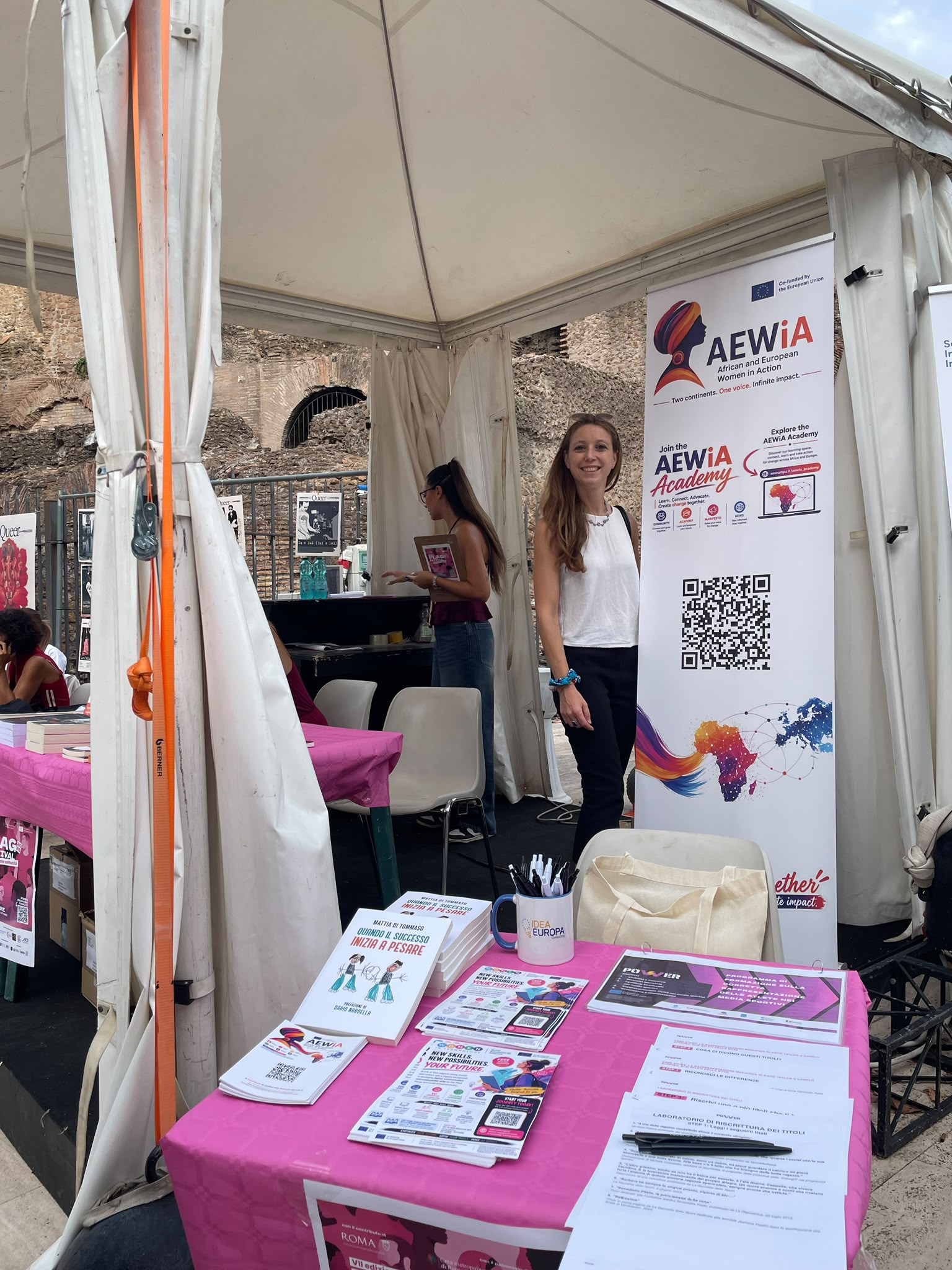
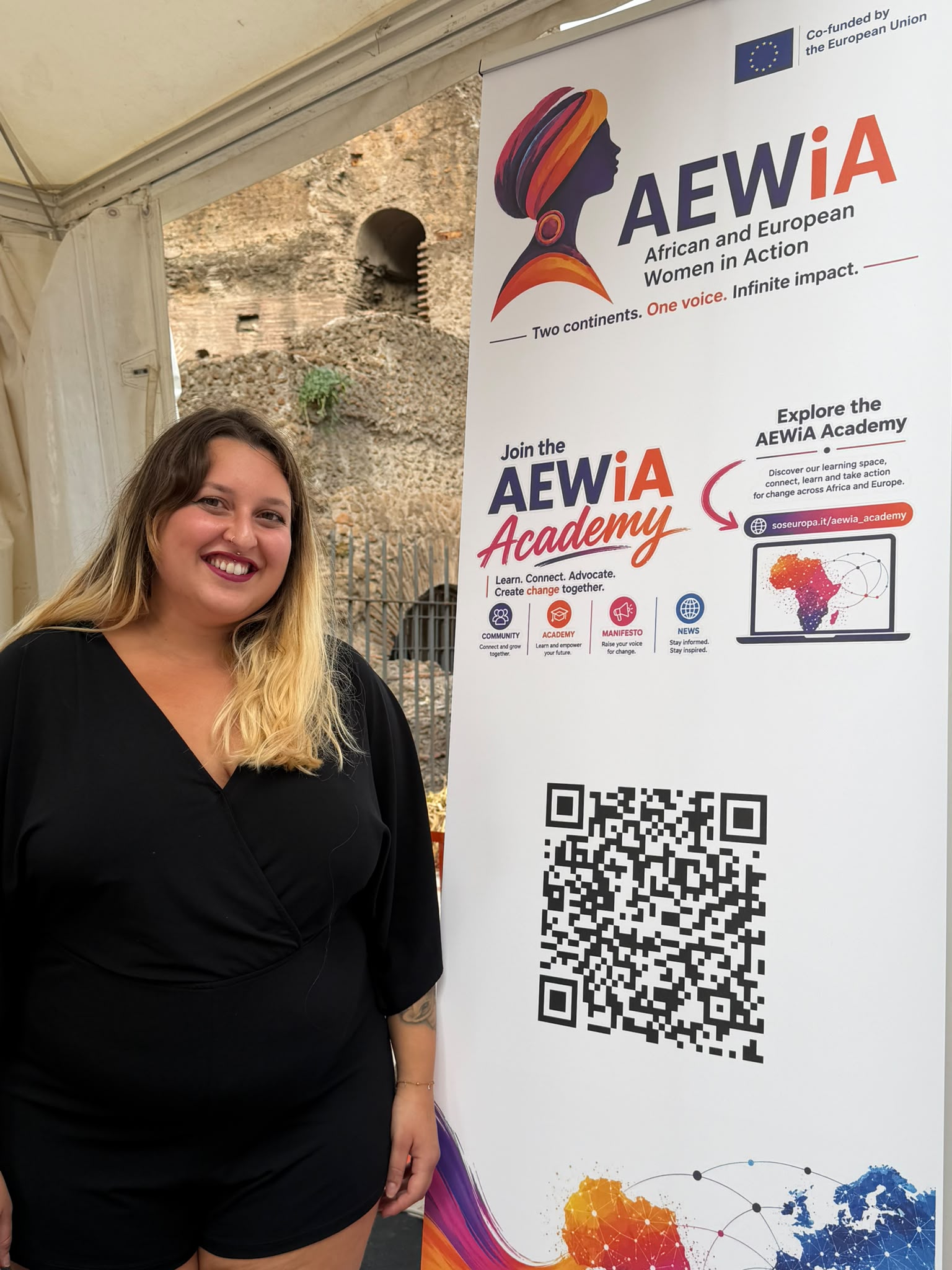
From 11 to 13 September 2026, SOS Europa brought AEWiA into one of Rome's most multicultural public spaces: Piazza Vittorio.
Across three days, citizens had the opportunity to discover the project, its activities and its results, while engaging in dialogue around women's empowerment, intercultural cooperation, cultural heritage and the connections between European and African communities.
The initiative transformed dissemination into a direct encounter with the community: an open space to meet, listen, exchange ideas and create new connections.
On 30 September 2026, African and European Women in Action – AEWiA met students at IIS Giorgi-Woolf in Rome for a dedicated dissemination event presenting the project's results, experiences and D3.1 Manifesto.
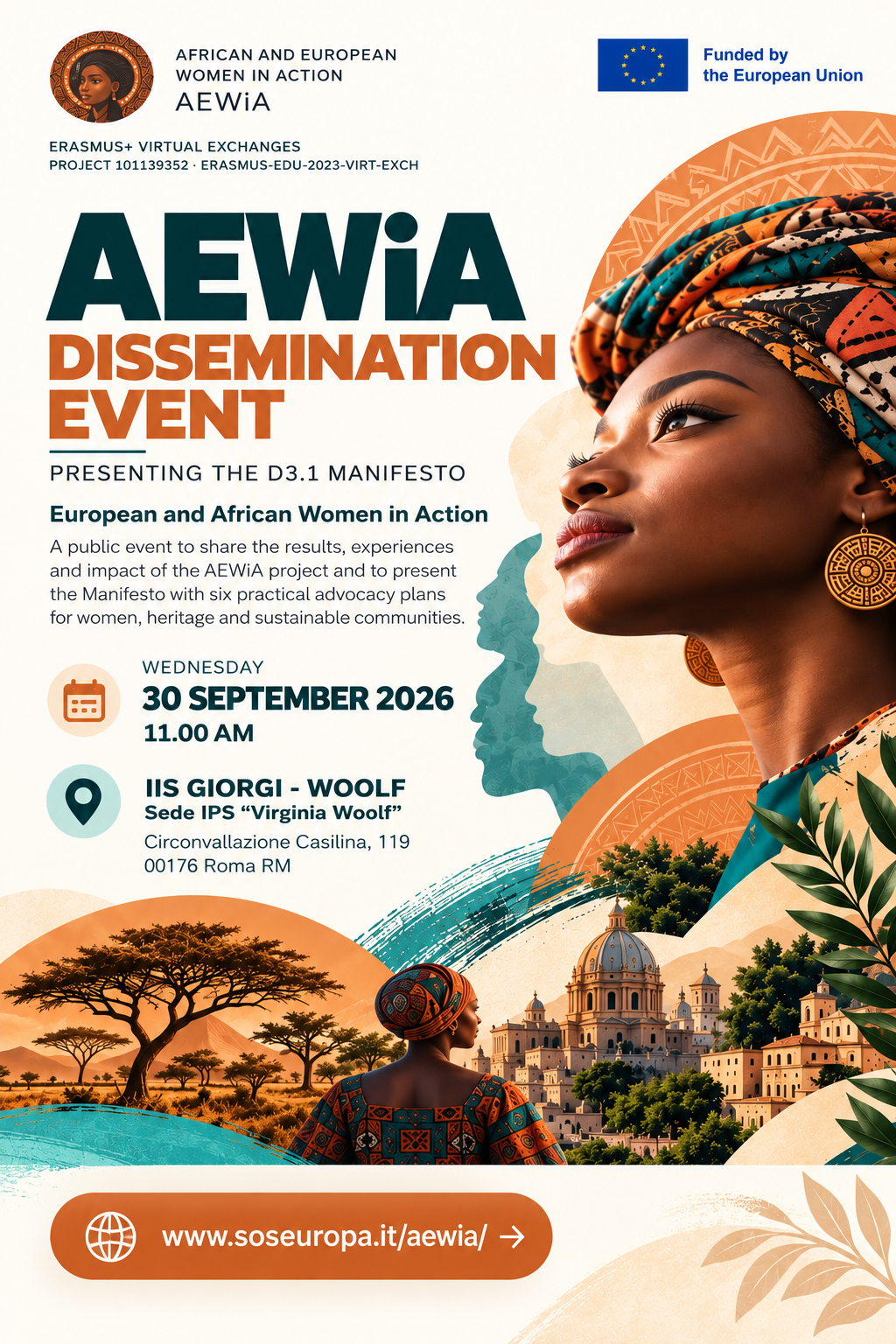
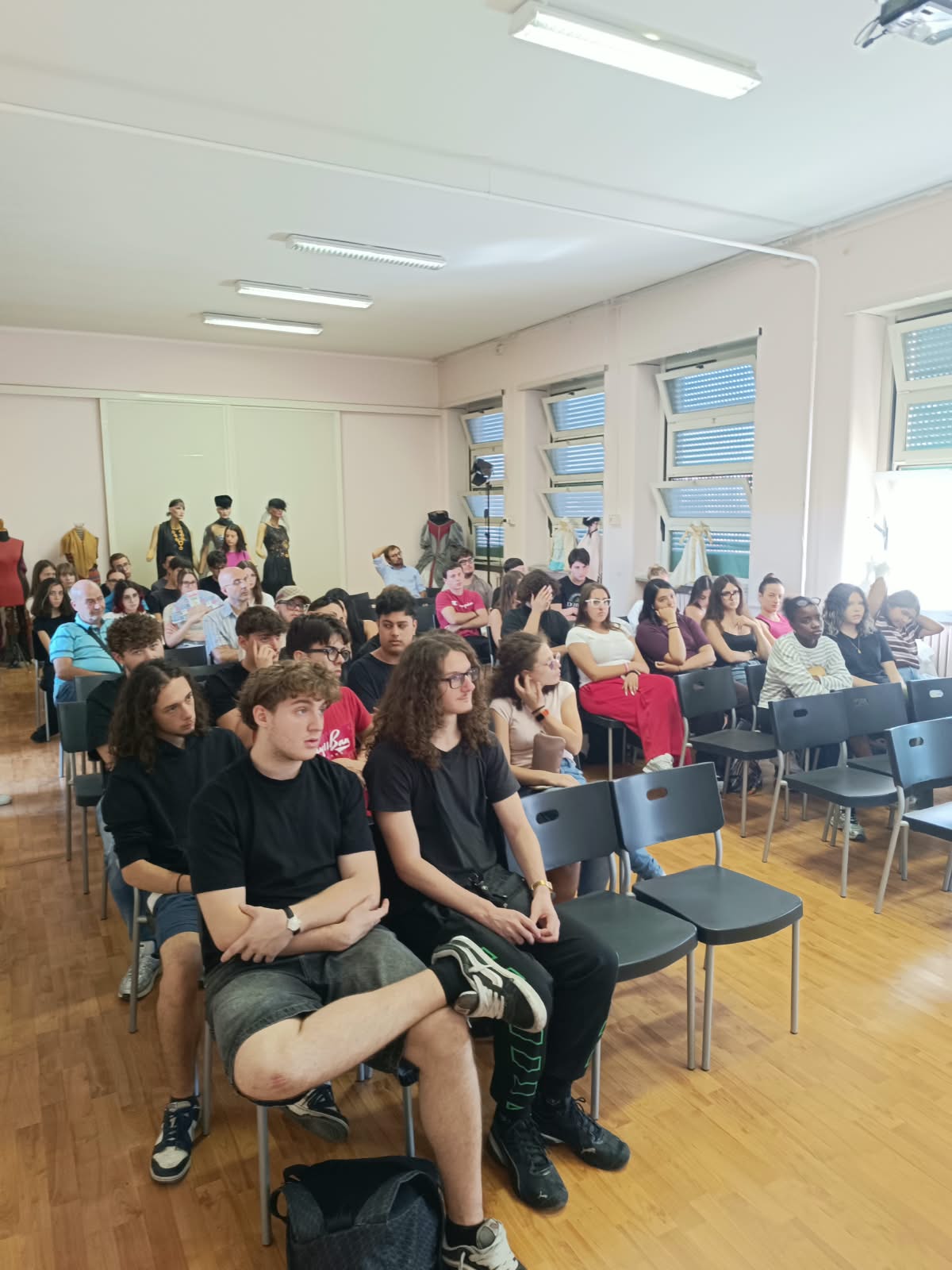
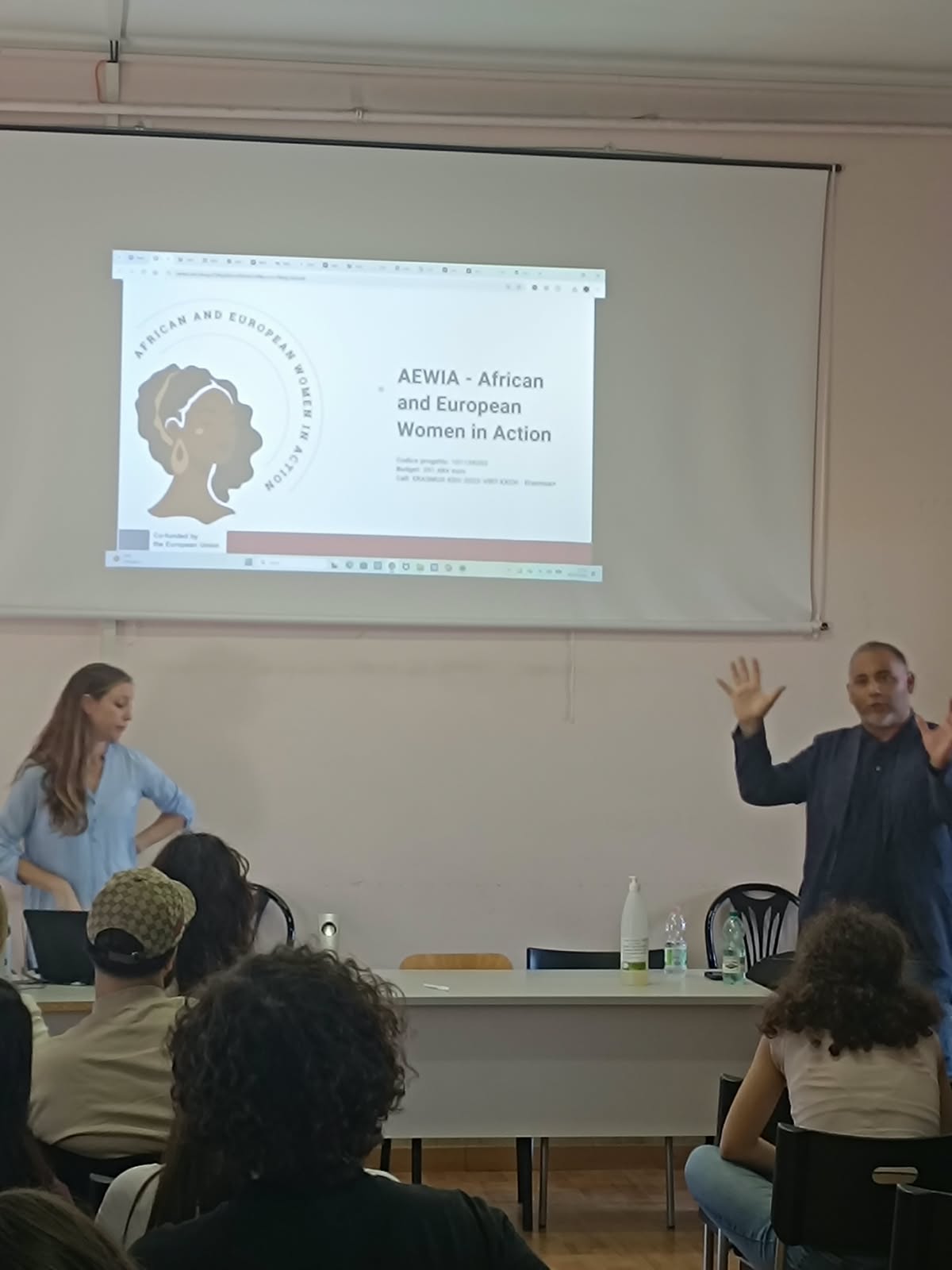
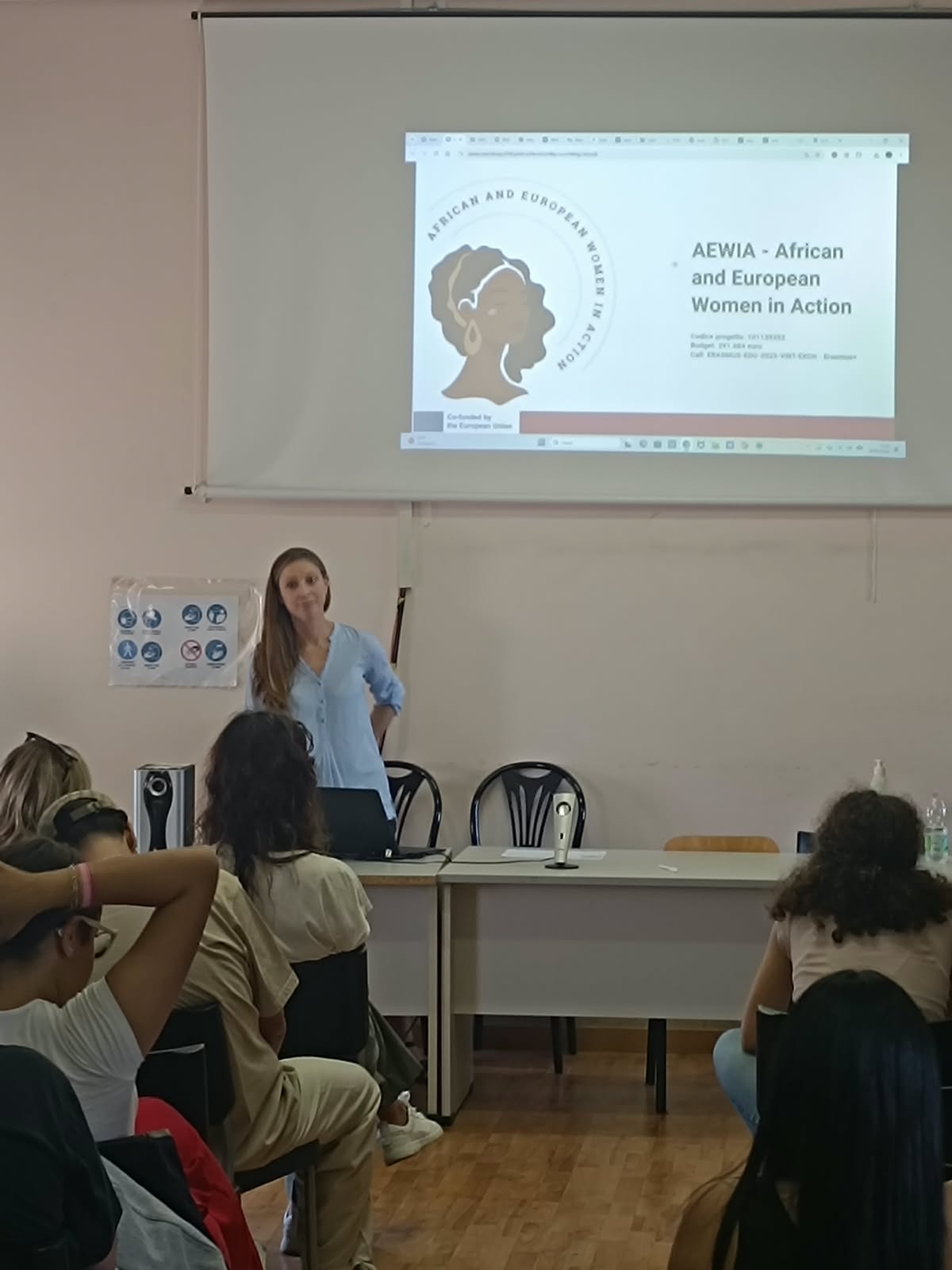
The event offered an opportunity to present and discuss the AEWiA D3.1 Manifesto, bringing its messages directly to young people and creating a space for dialogue on women's voices, leadership, employment, entrepreneurship, cultural heritage and Europe–Africa cooperation.
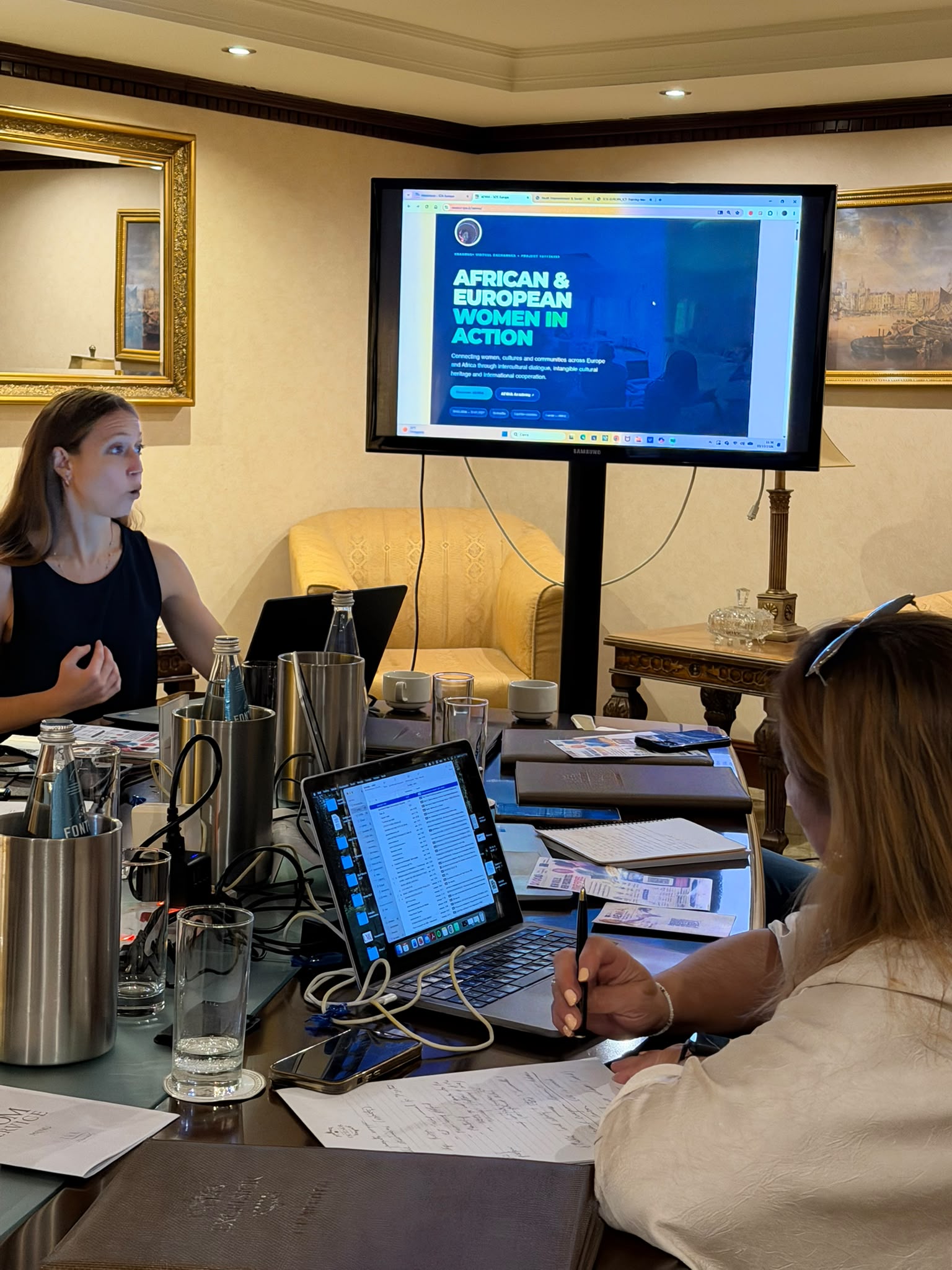
A public event bringing the African & European Women in Action project closer to the local community in Malta.
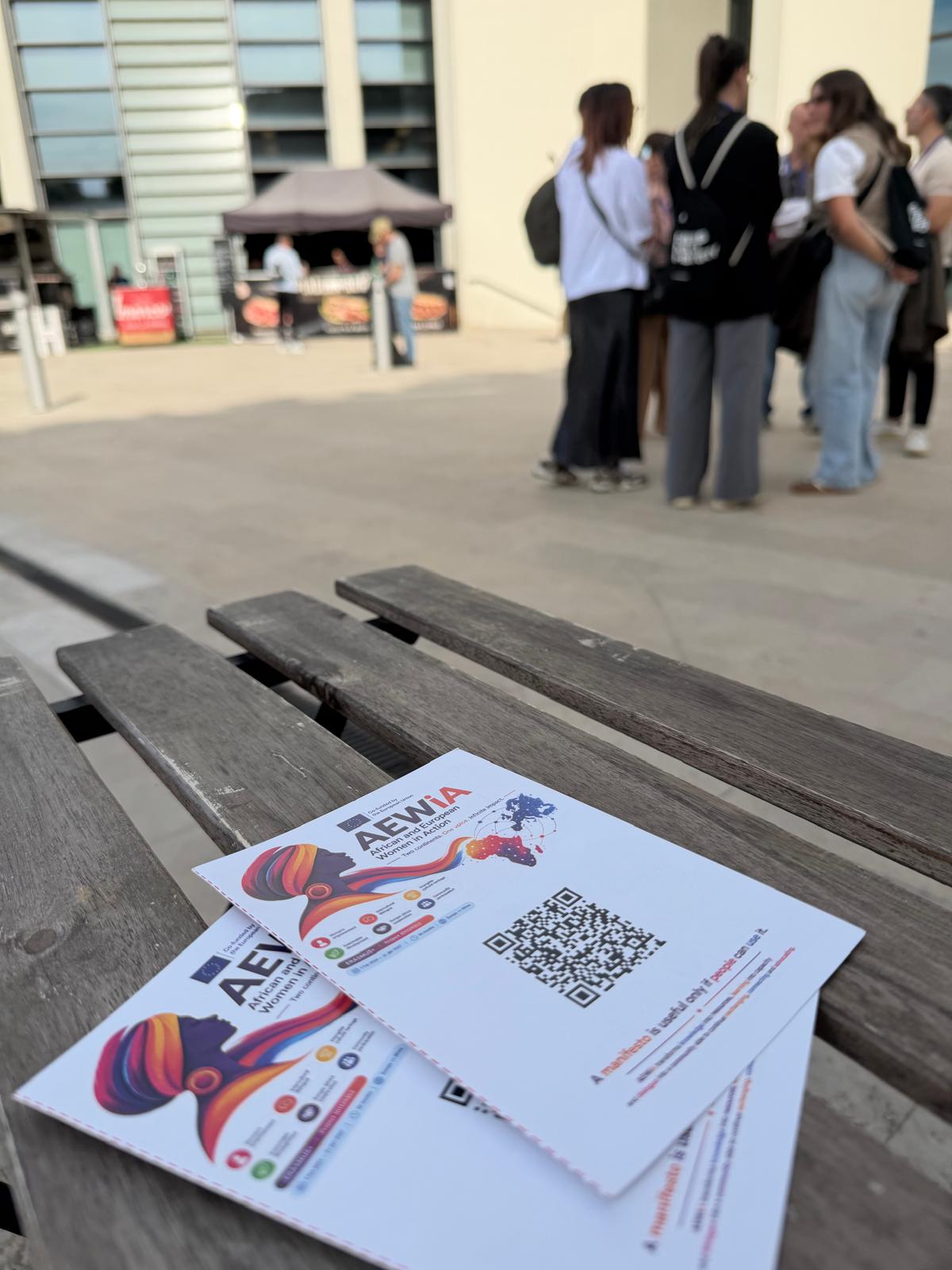
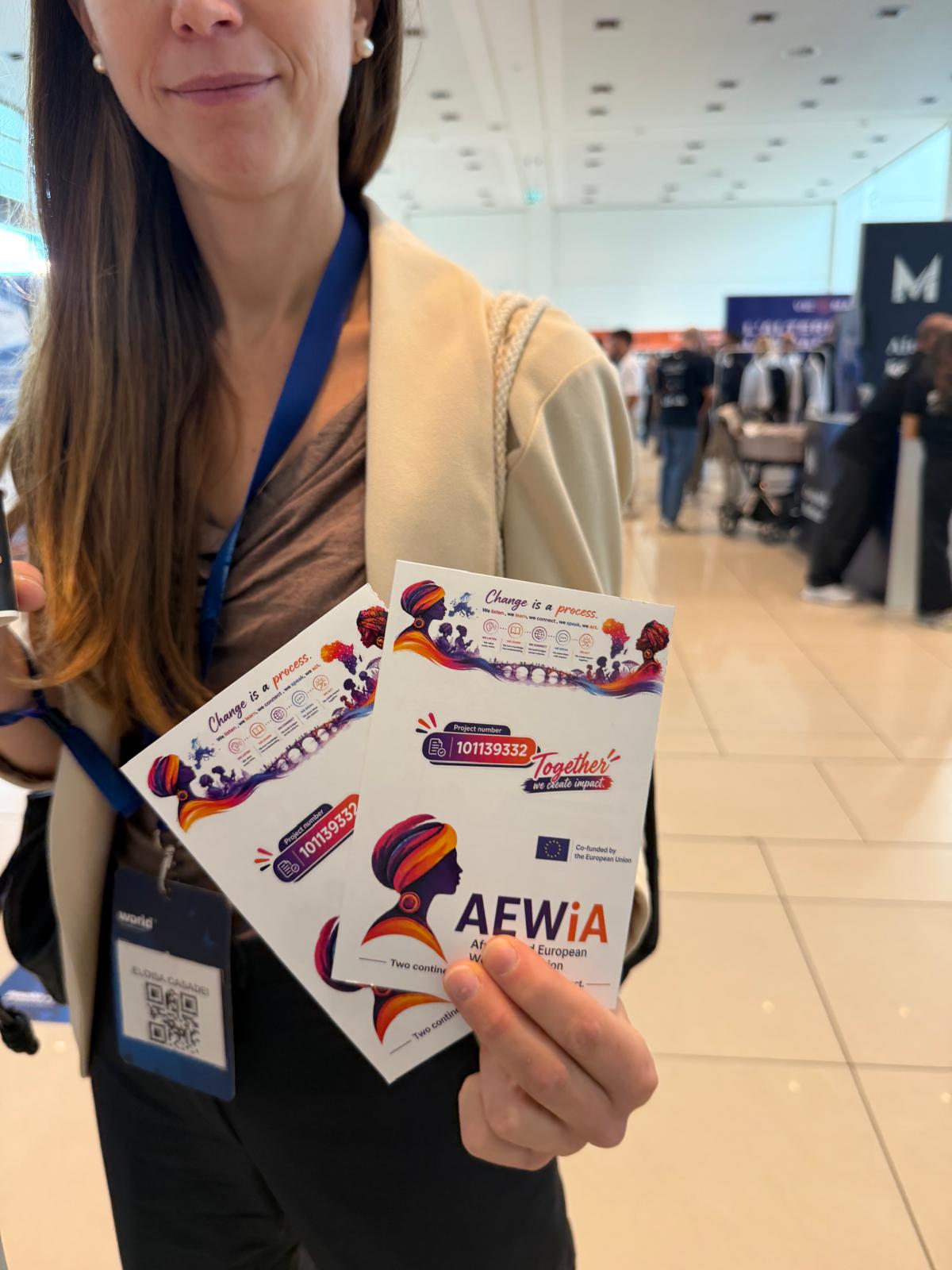
From 16 to 18 October 2026, AEWiA reached a new professional community at Marketers World in Rimini. Project results and the AEWiA Manifesto were shared, bringing the project's messages on women's empowerment, intercultural dialogue and Europe–Africa cooperation into a dynamic environment of communication, entrepreneurship and innovation.
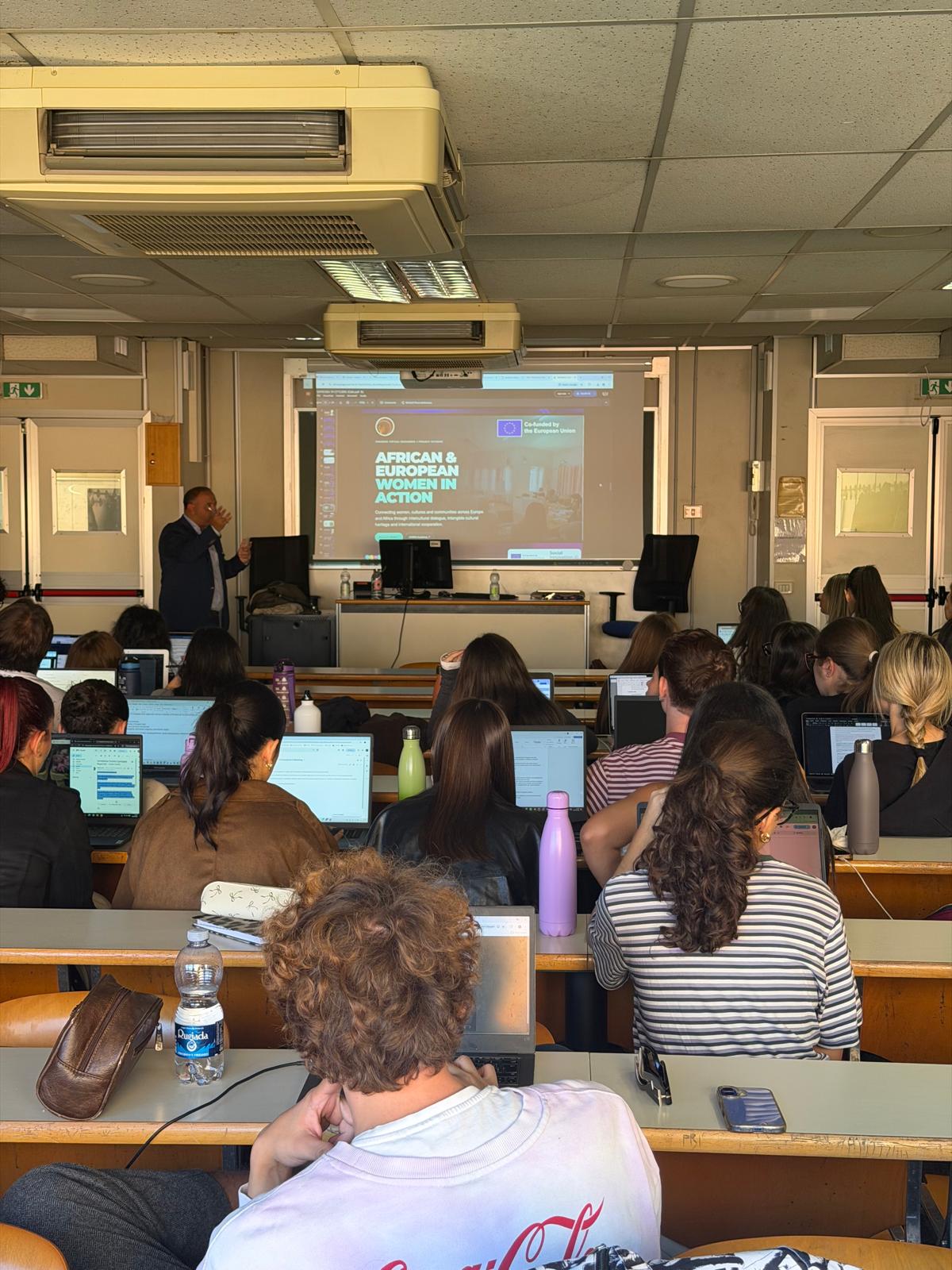
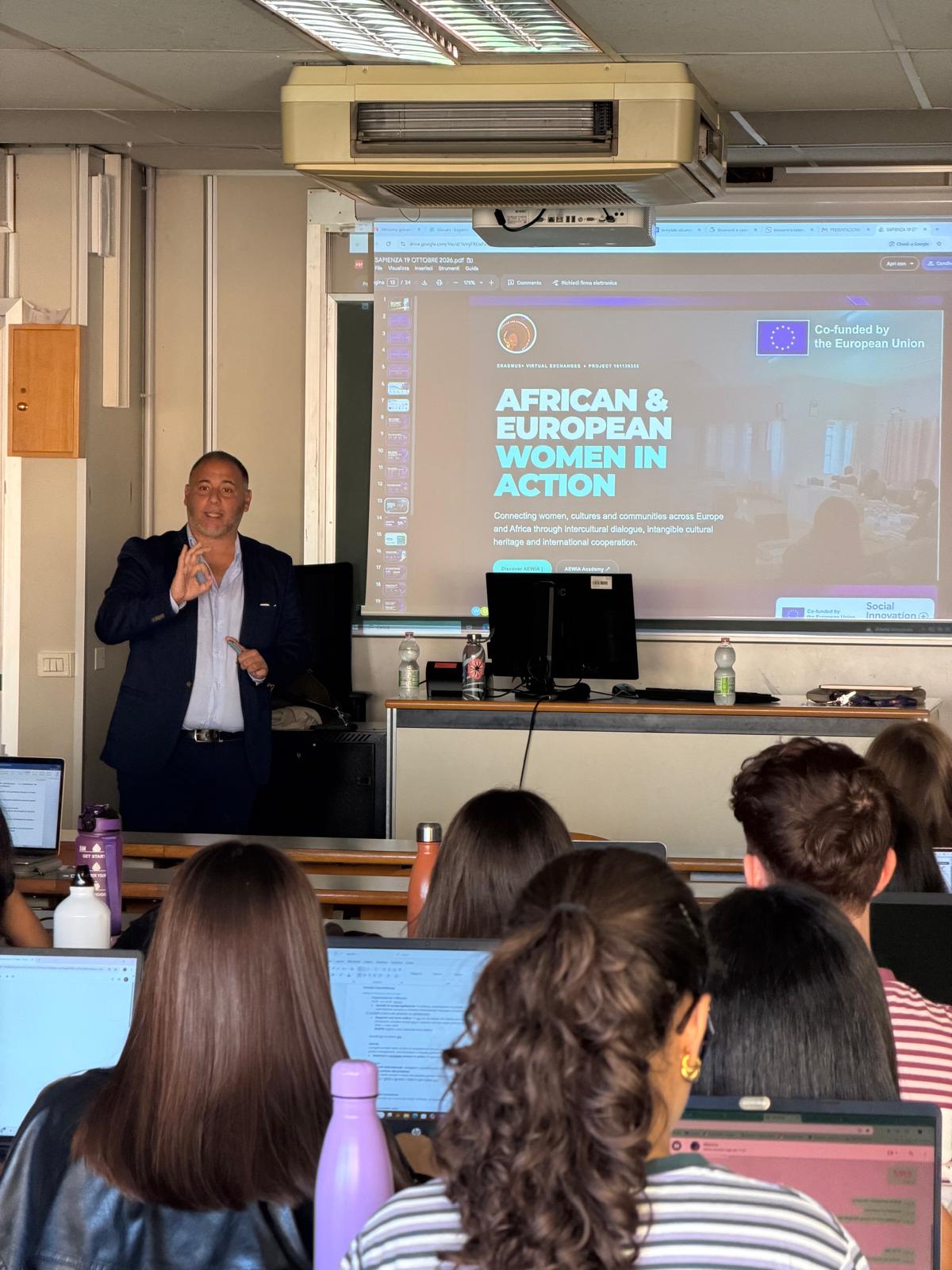
On 19 October 2026, the results of African and European Women in Action – AEWiA were presented at Sapienza University of Rome, creating a new opportunity for dialogue around women's empowerment, intercultural relations, participation and Europe–Africa cooperation.